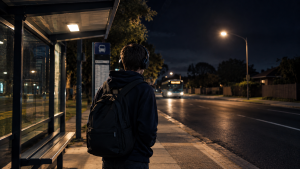
The vampire has left the house. The witch has found her friends. Someone dressed as a skeleton has promised to be home by eleven.
By 11:30, the family group chat is quieter than a haunted house.
You send a message. Then another. You call.
Most likely, the music is loud, the phone is buried in a bag, or the group has moved to another party. But “most likely” does not tell you what to do next.
Halloween should come with pretend scares. A little preparation helps keep an unanswered phone from becoming the evening’s main event.
1. Before the broomstick leaves, agree on the basics
Whether your teenager is heading to a party or you are meeting friends for a night out, tell a trusted person the useful details: where you are starting, who you will be with, how you expect to get home, and when you will check in.
Keep it a conversation, not an interrogation.
“I’ll message when we arrive, let you know if we move, and check in before heading home” is more useful than “Don’t worry.”
For younger children trick-or-treating, agree on adult supervision and a route. For older teenagers, make arrangements together that respect their growing independence.
2. Choose your circle before the ghosts appear
A safety plan needs someone who knows they are part of it.
Choose a trusted contact who is available that evening. Agree who takes the lead if a check-in is missed, and choose a backup.
Otherwise, several people may assume someone else is handling it.
Knowing who will respond is more useful than simply having a long contact list.
3. Let the costume change. Update the plan.
“We’re going somewhere else.”
A perfectly ordinary sentence. Also the moment an otherwise sensible plan can become out of date.
Send the new destination to your agreed contact. Update the expected check-in or return time. If the group splits, make sure someone knows who you are now with.
The aim is simple: the person helping you should have information that still matches your evening.
4. Pack more than your costume
Charge your phone before leaving. Consider a power bank. Check your transport arrangements and keep a backup way home.
Understand the permissions, connectivity and settings it needs, and make sure your trusted contacts know what to do if you ask for help.
The pavement outside a noisy party is a poor place to learn how your safety tools work.
5. Decide what a missed check-in means
A missed message is not proof that something is wrong. It is a reason to follow the plan you agreed.
Decide beforehand how you will try to make contact, which friend or host you can check with, and who coordinates the next steps.
Avoid a rigid rule that says everyone must wait a particular number of minutes. Context matters. If there is a specific reason to believe someone is in immediate danger, seek urgent help.
The value of a plan is that nobody has to invent the first steps while worried.
6. Make asking for help easy
Make this promise before the night begins:
“If you feel uncomfortable or need a lift, contact me. We can talk about everything else once you are safe.”
Nobody should have to choose between staying somewhere uncomfortable and facing an immediate lecture.
Agree on a simple way to ask for a call or pickup. Treat it seriously. A discreet signal only helps when the other person understands it and responds.
Where My Safety Circle fits
My Safety Circle offers Safe Trip, location-sharing options and Emergency Call (SOS) features that can support an agreed plan. Choose the features appropriate to your outing, set them up beforehand and make sure your circle understands its role.
An app supports the people in your plan. Those people still need to be available and know how to respond.
The best Halloween ending
The vampire gets a lift. The witch messages home. The skeleton raids the leftover sweets.
Nobody needs a dramatic rescue. Everyone knows the evening has ended safely.
Before the costumes go on, agree on your circle, your check-in and your way home.
Keep the scares in the costumes. Make your Halloween safety plan with My Safety Circle.